Start with the job, not the format
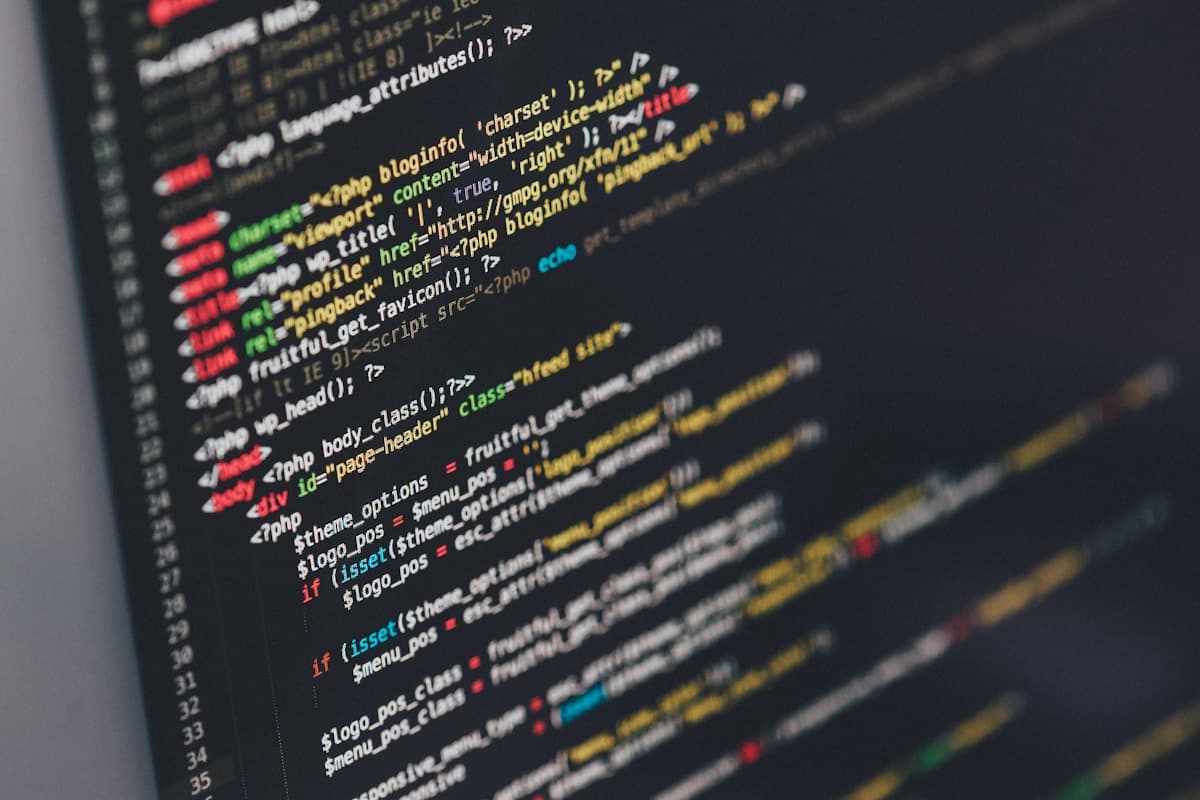
If people mostly want to learn about you, read your content, and find directions and contact details, a website answers that. If they need to log in, work offline, or use your service again and again, they will feel that in an app too. The decision is about the job the product needs to do.
What a website is best at
A website is findable. Search engines can index it, links can point to it, and anyone with a browser can open it, no install required. For discovery, content, and trust, a site is usually the stronger first move, and it is also the cheaper one to build and keep updated.
What an app is best at
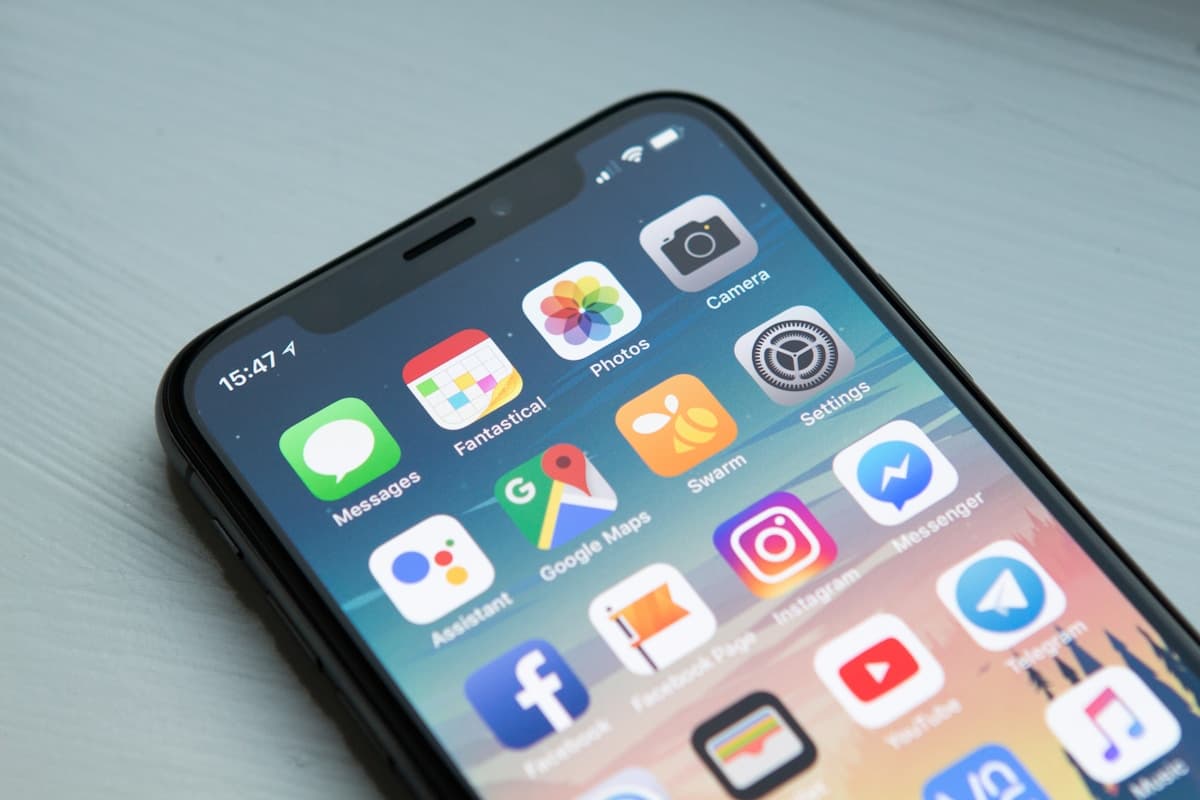
Apps shine where websites are awkward: things that need the device, like push notifications, offline access, or the camera. Experiences people return to daily, such as a helper tool or an internal system, feel more at home in an app.
The honest tradeoff is cost. Building an app is typically more expensive than a website of similar scale, and it does not stop at launch, because every app needs updates and maintenance to keep working across new phones and operating systems.
Our rule of thumb
When a client asks, we usually start the conversation with a website. It proves the idea, builds the brand, and gets found. For the features that need a phone's capabilities, we wrap them in an app, or sometimes a progressive web app that gives app-like behaviour inside a website's reach.
We have built both across our work, from marketing sites to full utilities. The pattern that holds up is the same every time: build for the job, launch the simplest honest version, and grow from what customers actually do.